Clear Out Compromised Materials Safely
Insulation Removal in West Fargo for water damage, mold exposure, or failed insulation systems
Frost Insulation removes old, damaged, or ineffective insulation from attics, walls, and crawl spaces throughout West Fargo, North Dakota. You need this service when your insulation has been compromised by water intrusion, rodent infestation, fire damage, or decades of settling that left your home inefficient and uncomfortable. The work involves contained extraction, proper disposal, and preparation for new material that restores thermal performance and indoor air quality.
Old insulation fails in ways you can see and feel: sagging fiberglass batts that expose joists, wet cellulose that clumps and loses all R-value, or blown-in material blackened by dust infiltration around leaks. In West Fargo's climate, where winter temperatures regularly drop below zero and summer heat stresses cooling systems, compromised insulation forces your furnace and air conditioner to run constantly without maintaining comfort. Removal becomes necessary when patching or adding material over the top would trap moisture, allergens, or contaminants that affect your family's health.
If your attic insulation shows visible staining, odor, or pest damage, reach out to discuss a removal plan that fits your home's condition and your timeline.
How the Removal Process Protects Your Home
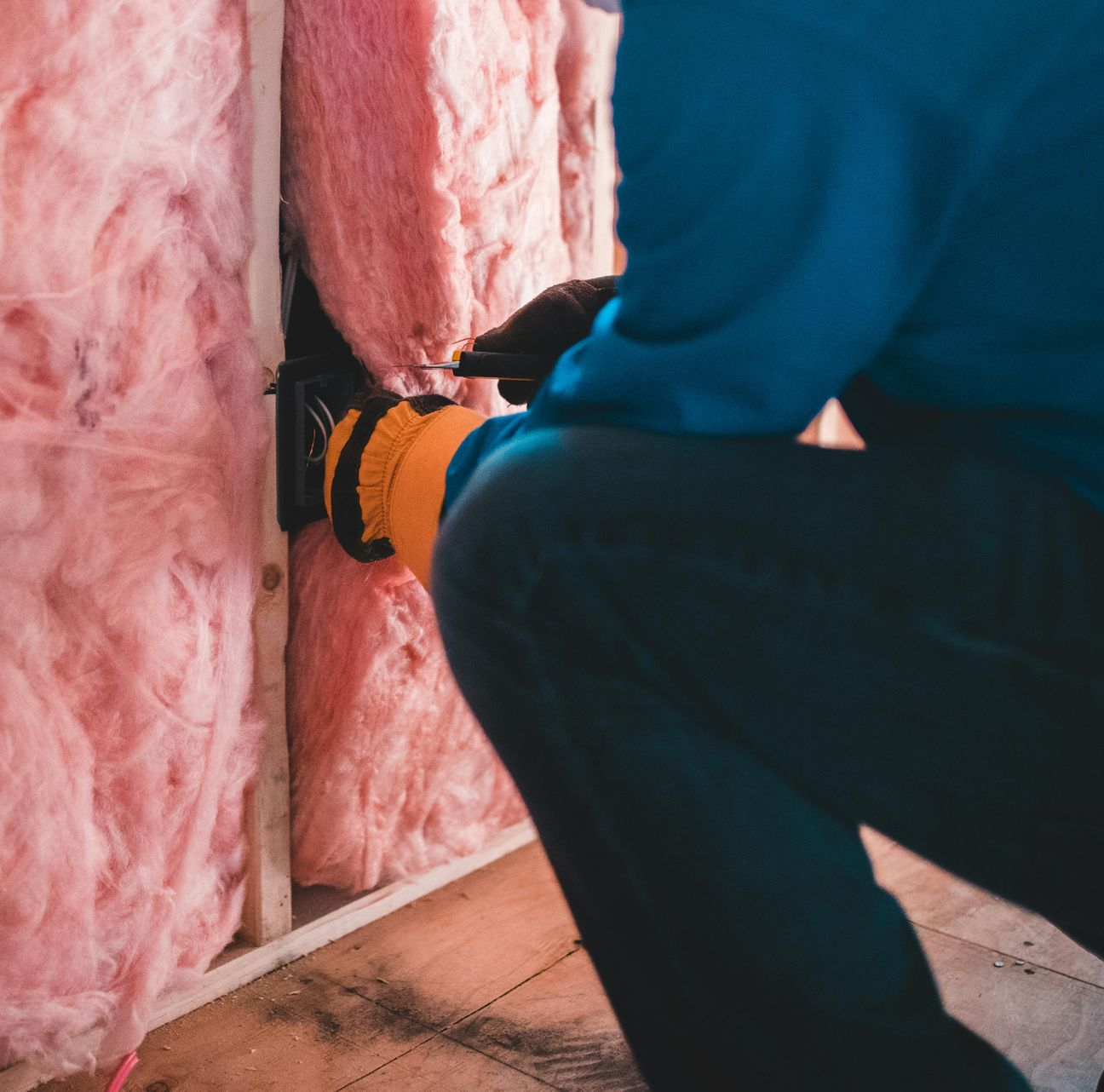
The removal process begins with containment setup to prevent dust and debris from spreading into living areas below. Crews use commercial vacuums with HEPA filtration to extract loose-fill materials like cellulose and blown fiberglass, pulling the material directly into sealed bags outside your home. Batt insulation is rolled, bagged, and carried out manually. In attics, crews work carefully around wiring, ductwork, and structural elements to avoid damage while clearing every cavity and corner.
After Frost Insulation completes removal, you will see bare framing, clear sightlines to the ceiling deck or wall cavities, and no lingering odor or particulate residue. The space is ready for inspection, any necessary repairs to framing or vapor barriers, and installation of new insulation that meets current energy codes. You will notice improved air quality immediately if mold or animal waste was present in the old material.
Disposal follows local waste management requirements, and crews leave attic access points and work zones clean. The service does not include structural repairs, mold remediation beyond removal of affected insulation, or installation of new material, though these can be coordinated in sequence. Removal typically takes one to two days depending on square footage and material type, with minimal disruption to your daily routine.
What Happens After Old Insulation Comes Out
Homeowners in West Fargo often have questions about what removal involves, how long it takes, and what comes next once the old material is gone.
What happens to insulation that has been wet?
Wet insulation loses its insulating ability permanently and must be removed completely because it cannot dry out effectively in place, and leaving it risks mold growth and structural wood decay.
How do you keep dust from spreading during removal?
Crews seal off attic access with plastic sheeting and use negative air pressure from vacuum systems to pull particles away from living spaces, ensuring dust stays contained throughout the job.
When should you remove insulation before adding new material?
You should remove old insulation when it is visibly damaged, contaminated by pests or water, or so compressed that adding more on top would create uneven coverage and trap problems underneath.
Why does rodent-damaged insulation need full removal?
Rodents leave droppings, urine, and nesting debris that carry pathogens and odors, and these contaminants penetrate insulation fibers in ways that cleaning cannot address safely or completely.
How long does attic insulation removal take in a typical West Fargo home?
Most single-family attic removals finish in four to eight hours depending on square footage, access difficulty, and the type of material being extracted.
If your attic or walls need clearing before you can move forward with energy improvements or repairs, contact the team to schedule an assessment and get the space ready for the next step.