
Keep Heated Air Inside Your Home
Attic Insulation in West Fargo for rising energy bills and uneven temperatures during cold months
Frost Insulation installs attic insulation for homeowners in West Fargo who lose conditioned air through the ceiling plane and struggle to keep rooms warm without running the furnace constantly. Your attic floor may have thin, compressed insulation that no longer performs, or large sections may be missing altogether around recessed lights and access hatches. Adding or replacing insulation in the attic reduces heat loss, lowers monthly heating costs, and makes upstairs rooms more comfortable when outdoor temperatures drop.
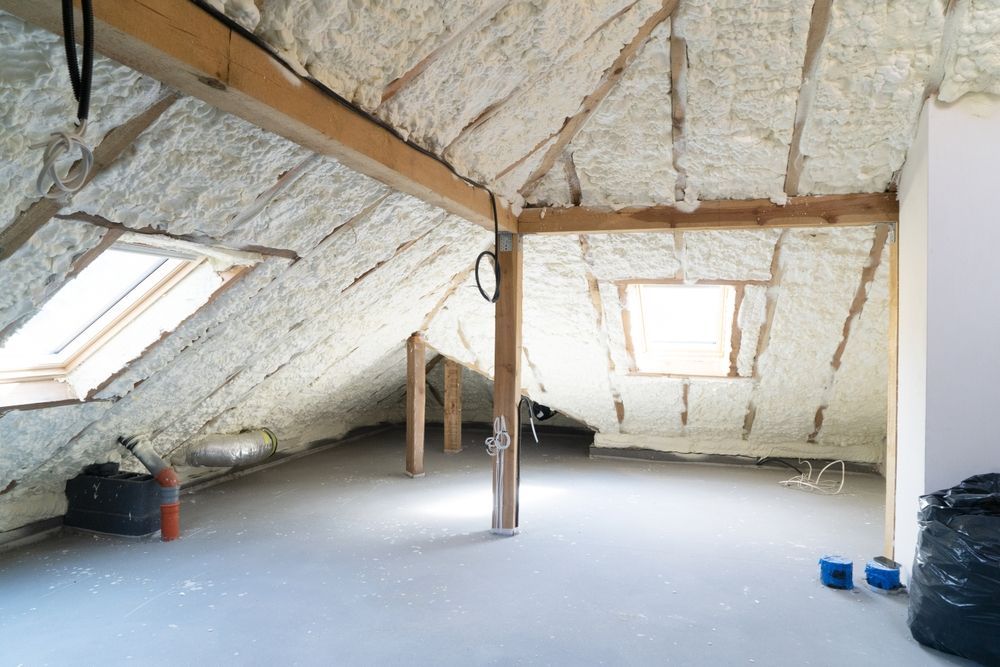
The service involves inspecting the attic to measure existing insulation depth, checking for air leaks around penetrations, and then installing blown-in fiberglass or cellulose to reach the recommended R-value for the region's heating demand. In West Fargo, deeper insulation depths are necessary to offset prolonged winter conditions and prevent ice dams that form when heat escapes through the roof deck. Spray foam insulation may be used along the roofline in cases where the attic is conditioned space or when air sealing around complex framing is required.
If your attic insulation is visibly thin or your heating bills have climbed without explanation, schedule an attic inspection to see where improvements will have the most effect.
What Happens After Attic Insulation Depth Increases
You'll notice that your furnace cycles less often, upstairs rooms hold heat more evenly, and the thermostat stays closer to your target temperature without constant adjustments. Frost Insulation brings insulation depth up to current standards by blowing material evenly across the attic floor, covering joists and filling gaps that previously allowed air to move freely between living space and the attic. The added material creates a thermal barrier that slows conductive heat loss and reduces the temperature difference between your ceiling and the air in the room below.
After installation, ice dams along roof edges become less likely because the roof deck stays colder and snow melts more slowly. Energy savings show up over the heating season as your furnace runs fewer hours to maintain the same indoor temperature. The insulation does not eliminate the need for attic ventilation, and proper airflow from soffit to ridge must remain unobstructed to prevent moisture buildup and preserve roof sheathing.
Blown-in insulation settles slightly over the first year, but it maintains consistent coverage without gaps or voids. The work does not include rewiring attic fixtures or upgrading ventilation systems, and existing insulation is left in place unless it is damaged or contaminated.
Common Questions About Attic Insulation
Homeowners in West Fargo often ask how much insulation they need and whether the work affects attic storage or ventilation.
What depth of attic insulation is recommended for this climate?
Most homes benefit from fourteen to sixteen inches of blown-in insulation, depending on the material used and the existing R-value already in place.
How soon will energy savings appear after adding attic insulation?
You'll notice reduced heating costs within the first billing cycle after installation, especially during stretches of sustained cold weather when the furnace would otherwise run continuously.
When should attic insulation be inspected or upgraded?
If your insulation is visibly compressed, less than six inches deep, or your home was built before updated energy codes took effect, an upgrade will likely improve performance.
Why does attic insulation help prevent ice dams in West Fargo?
By keeping heat inside your living space instead of warming the roof deck, insulation reduces snowmelt that refreezes at the eaves and causes ice buildup along gutters.
What does attic insulation not address in a home?
It does not seal air leaks around plumbing stacks or chimneys, and it will not improve attic ventilation unless those upgrades are added separately during the same visit.
If your attic insulation is thin, uneven, or decades old, contact Frost Insulation to schedule an inspection and review options that reduce heat loss and lower heating costs year-round.