
Keep Heat From Escaping Through Foundation Walls
Basement Insulation in West Fargo for cold lower levels and wasted energy when foundation walls are left bare
Frost Insulation installs basement insulation for homeowners in West Fargo who use their lower level for living space but struggle with cold walls, uncomfortable temperatures, and higher heating costs. Your foundation walls conduct heat directly into the surrounding soil, and without insulation, the basement stays cold enough that you avoid using the space during winter. Adding insulation to basement walls reduces heat loss, makes the lower level more comfortable, and lowers the energy required to heat your entire home.
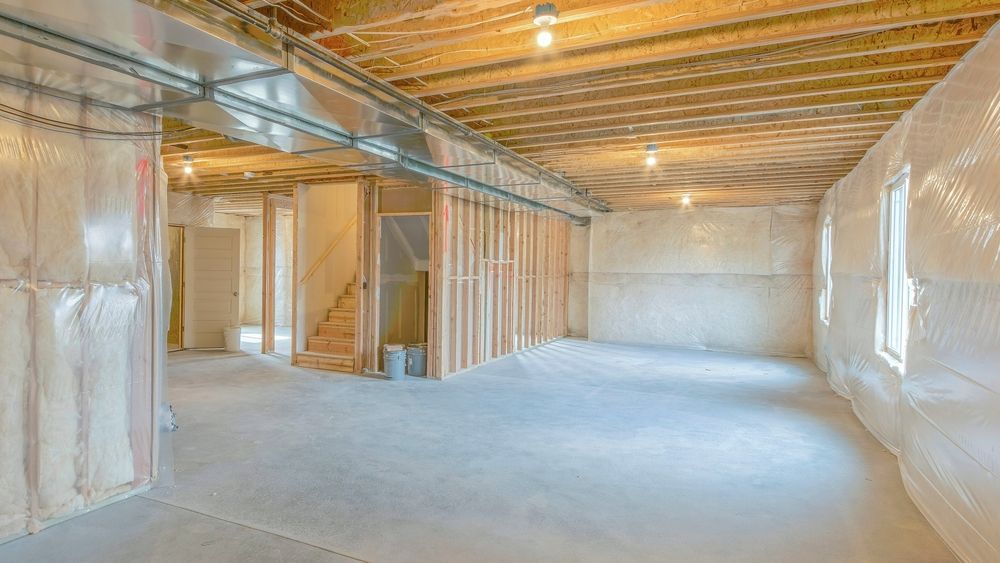
The service involves installing rigid foam insulation panels or spray foam along the interior surface of foundation walls, creating a continuous thermal barrier that stops conductive heat loss through concrete or block. In West Fargo, basement insulation is typically installed during finishing projects or when upgrading older homes where the foundation was never insulated. The insulation is applied directly to the wall surface and then covered with framing and drywall, or it may be left exposed in utility areas where finished surfaces are not required.
If you're finishing your basement or dealing with cold walls that make the space unusable, reach out to discuss insulation options that improve comfort and energy efficiency below grade.
What You'll Notice After Basement Insulation Is Installed
You'll feel warmer air in the basement, and the floor above will stay more comfortable because less heat is drawn downward into the cold space below. Frost Insulation applies insulation directly to foundation walls, eliminating the cold surface that previously absorbed heat from the room and made the basement feel damp and uninviting. The insulation slows heat transfer through the concrete, raising the interior wall temperature and making the space more suitable for bedrooms, offices, or recreation areas.
After installation, your heating system works less to maintain consistent temperatures throughout the home, and cold floors above the basement become noticeably warmer. The insulation does not prevent moisture intrusion from outside, and it will not solve water problems caused by poor drainage, foundation cracks, or high groundwater levels.
Basement insulation is most effective when installed on the interior of foundation walls rather than between ceiling joists, as this approach keeps the entire basement within the thermal envelope of the home. The service does not include finishing drywall, framing walls, or installing flooring, and it will not address structural issues or repair existing water damage.
Questions About Basement Insulation
Homeowners in West Fargo often ask how insulation affects basement comfort, whether it prevents moisture problems, and when the work should be scheduled during finishing projects.
What type of insulation is used on basement walls?
Rigid foam panels and spray foam both provide continuous insulation without creating gaps, and they resist moisture better than fiberglass batts in below-grade applications.
How does basement insulation improve comfort in the rest of the home?
By reducing heat loss through foundation walls, insulation keeps the basement warmer, which reduces the temperature difference between floors and makes the entire home easier to heat.
When should basement insulation be installed during a remodel?
The insulation goes on foundation walls after any waterproofing or drainage work is complete but before framing and drywall are installed, so scheduling it early in the finishing process avoids delays.
Why is basement insulation important in West Fargo?
Cold soil surrounding foundation walls pulls heat out of the basement continuously during winter, and without insulation, that heat loss drives up energy costs and makes lower levels uncomfortable.
What does basement insulation not address in a home?
It does not stop water from entering through cracks or failing drainage systems, and it will not eliminate odors or mold growth caused by chronic moisture problems that need separate remediation.
If your basement feels cold even when the furnace is running or you're planning to finish the space, contact Frost Insulation to review insulation options that reduce heat loss and improve comfort below grade.