
Lower Heating Costs With Better Wall Insulation
Fiberglass Insulation in West Fargo for homes with high energy bills and cold interior walls
Frost Insulation installs fiberglass insulation in walls, attics, basements, and crawl spaces across West Fargo for homeowners looking to slow heat transfer and reduce energy costs. You recognize the need when your furnace runs constantly during winter, when exterior walls feel cold to the touch, or when upstairs rooms stay warmer than the main floor because heat rises through poorly insulated ceilings. Fiberglass slows the movement of heat through building materials, helping your home hold warmth longer and reducing the workload on your heating system.
The material consists of fine glass fibers that trap air within the insulation layer, creating resistance to heat flow. During installation, fiberglass is placed in wall cavities, along attic floors, or against basement ceilings, filling the space between framing members to provide thermal protection. Proper coverage prevents heat from escaping through structural gaps, and the insulation maintains its shape and effectiveness when installed without compression or voids.
If your energy bills remain high despite an efficient furnace or if rooms feel noticeably colder near exterior walls, schedule an insulation inspection to determine needed coverage levels.
How Fiberglass Insulation Stabilizes Indoor Temperatures
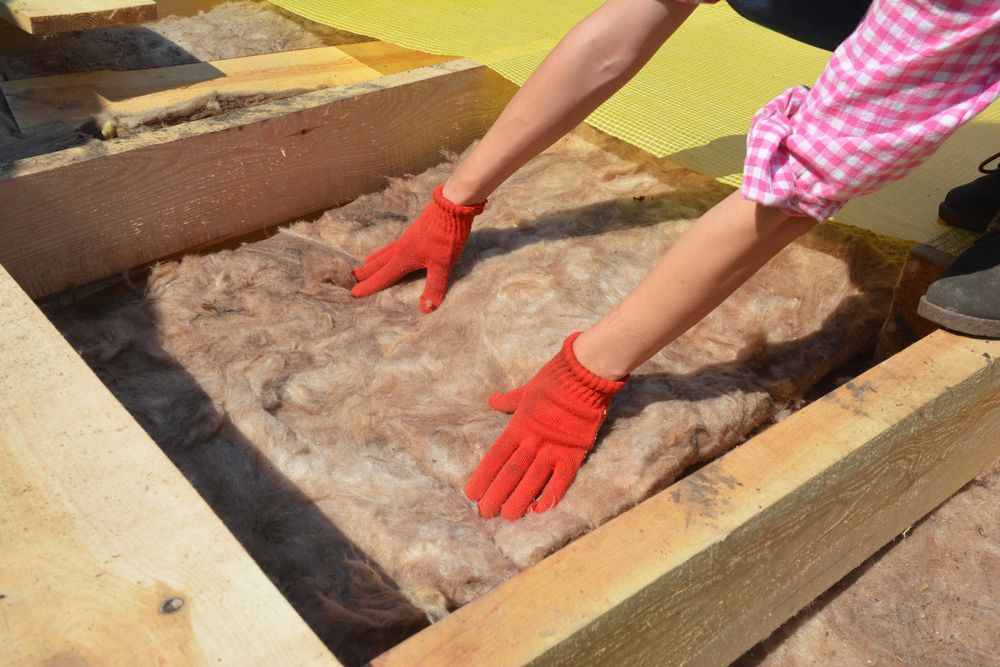
Installation begins with measuring the thickness and R-value required for each application, then cutting or placing fiberglass batts or loose-fill material to fill cavities completely. Frost Insulation ensures that insulation fits snugly around framing, electrical boxes, and plumbing lines without leaving gaps that create thermal bridges. In attics, fiberglass is installed over ceiling joists to prevent heat from escaping through the roof, and in basements, it is placed against ceiling framing to keep conditioned air from migrating into unconditioned spaces.
Once installed, you will notice that rooms maintain temperature more evenly throughout the day, cold drafts along baseboards decrease, and your furnace cycles less frequently during extended cold periods. The insulation slows heat loss through walls and ceilings, reducing the temperature difference between interior surfaces and the air inside your home, which improves comfort and lowers heating costs over time.
Fiberglass insulation is available in batt form for standard framing cavities and loose-fill format for irregular spaces, allowing flexibility based on the structure and access available. The material does not provide an air seal, so it works best when combined with proper sealing of gaps and penetrations in the building envelope. Insulation does not address structural issues, moisture problems, or ventilation deficiencies, and it must remain dry to maintain thermal performance.
Common Questions About Fiberglass Insulation
Homeowners throughout West Fargo ask about material types, installation locations, and performance expectations before scheduling fiberglass insulation work.
What areas of the home benefit most from fiberglass insulation?
Exterior walls, attic floors, basement ceilings, and crawl spaces see the greatest improvement because these areas separate conditioned indoor air from outdoor temperatures or unconditioned spaces.
How does fiberglass insulation reduce heating costs?
The material slows heat transfer through walls and ceilings, which reduces the amount of energy your furnace uses to maintain indoor temperature during cold weather in West Fargo.
When should fiberglass insulation be installed in a home?
Insulation is installed after framing, wiring, and plumbing are complete but before drywall or interior finishes are added, ensuring full coverage within cavities.
Why is proper installation important for fiberglass performance?
Gaps, compression, or incomplete coverage creates thermal bridges that allow heat to escape, reducing the insulation's effectiveness and increasing energy waste.
How long does fiberglass insulation last in a home?
Fiberglass maintains thermal resistance indefinitely when kept dry and undisturbed, providing reliable insulation for the life of the building without settling or degrading.
Frost Insulation evaluates each home to identify where fiberglass insulation improves thermal performance and reduces energy costs. Reach out to schedule an inspection and learn which areas of your home need additional insulation coverage.