
Upgrade Attic Insulation Without Removing Old Material
Loose-Fill / Blown Fiberglass Insulation in West Fargo for attics with insufficient depth and uneven coverage
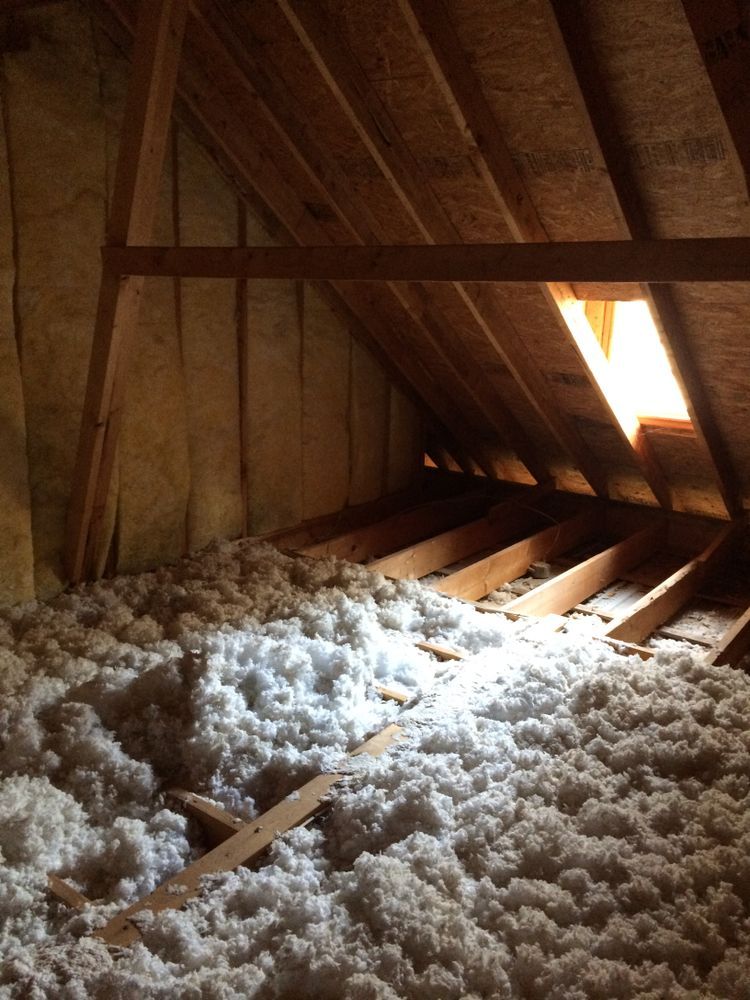
Frost Insulation installs loose-fill fiberglass insulation in attics and enclosed cavities across West Fargo for homeowners upgrading insulation levels in older homes or adding depth to existing attic coverage. You know this service is needed when your attic insulation is thin enough to see ceiling joists clearly, when upstairs rooms stay cold despite a working furnace, or when your energy bills climb each winter. Loose-fill insulation is blown into attics using specialized equipment that distributes lightweight fibers evenly across the attic floor, filling gaps and increasing insulation depth to recommended levels.
The material spreads evenly over existing insulation, around framing, and into corners where batts cannot reach, creating uniform coverage that slows heat loss through the ceiling. In West Fargo, increasing attic insulation depth reduces furnace runtime during winter by preventing warm air from escaping through the roof. Loose-fill fiberglass conforms to irregular spaces, covers wiring and ductwork, and builds insulation depth without the weight and moisture concerns associated with cellulose materials.
If your attic insulation is less than six inches deep or your heating costs remain high, schedule an inspection to determine if an insulation upgrade is needed.
How Loose-Fill Insulation Reduces Heat Loss
Installation begins with air sealing attic floor penetrations around plumbing stacks, electrical boxes, and recessed lighting to prevent air leakage before insulation is added. Frost Insulation then uses blowing equipment to distribute loose-fill fiberglass across the attic floor, building depth to the R-value required for the climate and spreading the material evenly to avoid thin spots. The fibers settle into place, filling voids and conforming to framing and mechanical systems without leaving gaps.
After installation, you will notice that upstairs rooms hold temperature more consistently, ceiling surfaces feel warmer during winter, and your furnace cycles less often because heat no longer escapes through the attic. Ice dams on roof edges become less frequent because the attic remains cold, preventing snow from melting and refreezing at the eaves. The insulation settles slightly over the first few weeks but maintains its thermal performance for decades without requiring replacement.
Loose-fill fiberglass is often used when increasing insulation depth in attics that already have some coverage, allowing homeowners to upgrade without removing old material. The insulation does not absorb moisture or settle significantly over time, maintaining consistent thermal resistance throughout its life. Loose-fill insulation should not cover soffit vents, block ventilation pathways, or come into contact with heat-producing equipment such as recessed lights without proper clearance.
Questions About Loose-Fill Fiberglass in Attics
Homeowners in West Fargo often ask about insulation depth, material differences, and the process of upgrading attic insulation before scheduling work.
What depth of loose-fill fiberglass is needed to improve attic insulation?
Depth depends on the R-value required for the climate, typically ranging from twelve to sixteen inches for loose-fill fiberglass in West Fargo attics.
How does loose-fill insulation eliminate gaps left by batt insulation?
Loose-fill material spreads evenly across the attic floor, filling irregular spaces around framing, wiring, and ductwork to create uniform coverage without voids.
When should loose-fill insulation be added to an existing attic?
Insulation should be added when existing coverage is less than six inches deep, when heating costs are high, or when upstairs rooms stay cold during winter.
Why does loose-fill fiberglass perform well in cold climates like West Fargo?
The material maintains thermal resistance without absorbing moisture, does not settle significantly over time, and provides consistent insulation performance throughout winter.
How long does loose-fill fiberglass insulation last in an attic?
Properly installed loose-fill insulation maintains thermal resistance indefinitely, providing reliable energy savings for the life of the home without requiring replacement.
Frost Insulation evaluates attic insulation levels and recommends upgrades based on current depth, energy costs, and comfort concerns. Contact the team to schedule an attic assessment and learn how loose-fill insulation improves thermal performance and lowers heating bills.